The Ashwagandha-Cortisol Connection, And Why It Matters
Cortisol and testosterone have an inverse relationship in the body — when one rises chronically, the other tends to suffer.
Ashwagandha is one of the more studied adaptogens for breaking that cycle, which is why it shows up so often in male vitality formulas.
The inverse relationship between stress and testosterone
Cortisol and testosterone are both produced from the same precursor pathway in the body, and under chronic stress, the body tends to prioritize cortisol production. Sustained elevated cortisol is associated with suppressed testosterone production over time — a well-established relationship in endocrinology research.
Why this matters beyond just 'feeling stressed'
This connection means chronic work stress, poor sleep, or ongoing anxiety can have a measurable, physiological effect on testosterone levels and energy, not just a psychological one. It's part of why performance and vitality concerns often cluster with high-stress life periods.
What Ashwagandha is studied for specifically
Randomized controlled trials on Ashwagandha, particularly using the standardized KSM-66 extract, have found associations with meaningfully reduced cortisol levels alongside improvements in testosterone and related markers over 8 to 12 weeks of consistent use. The proposed mechanism is largely indirect — by helping regulate the stress response, it may reduce the cortisol-driven suppression of testosterone production.
A reasonable timeline
Most of the supporting research uses 8 to 12 weeks of daily supplementation before assessing outcomes. This is not a same-day stress reliever in the way its calming reputation might suggest — the hormone-level effects build gradually.
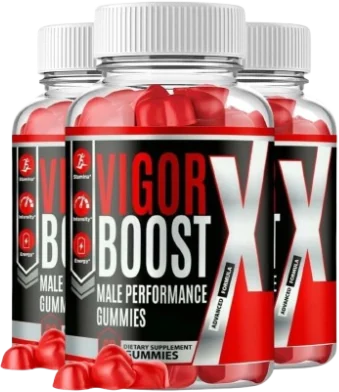
Where this fits into Vigor Boost X
Vigor Boost X includes 300mg of Ashwagandha Root alongside Tongkat Ali, pairing a stress-regulation mechanism with a more direct testosterone-support ingredient. Together, they're meant to address the problem from two different angles.